Next door to the Van Gogh Café was the Bar Le Tambourin, which turned out to be a “bull fighter” bar. We didn’t spend any time in it today, but as it turned out, we returned the next day.
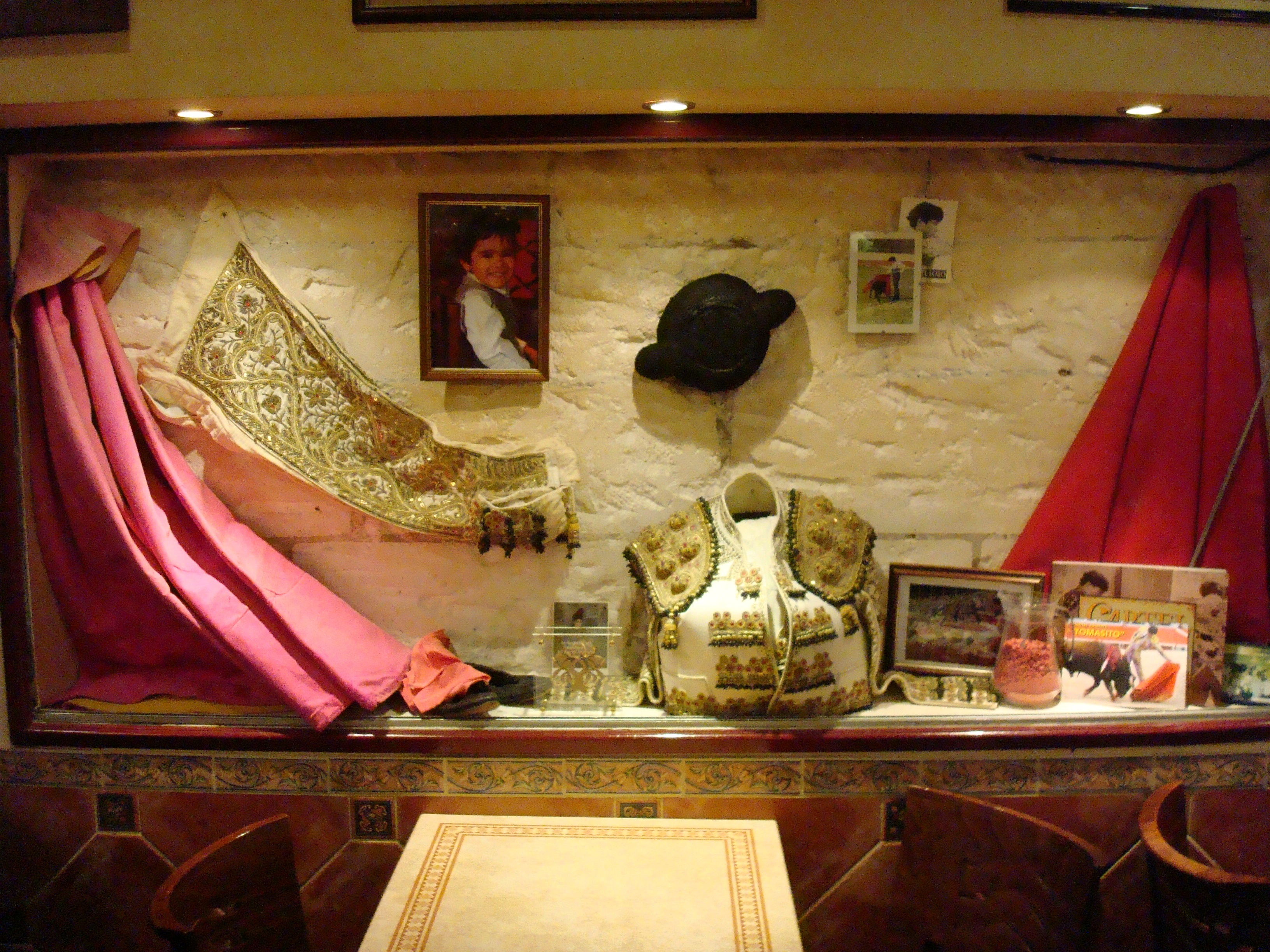
The interesting thing is that in Paris, Van Gogh was a habitué at a cabaret called Le Tambourin where he had exhibited some of his paintings.

We decided to head back to the hotel. This time we realized that if we took the street you see in the Café Terrace painting, it would lead us right to our hotel. And sure enough, in minutes we were coming past the amphitheatre to Hotel Le Calendal. We would have a little rest, and then have dinner in the courtyard at the hotel.
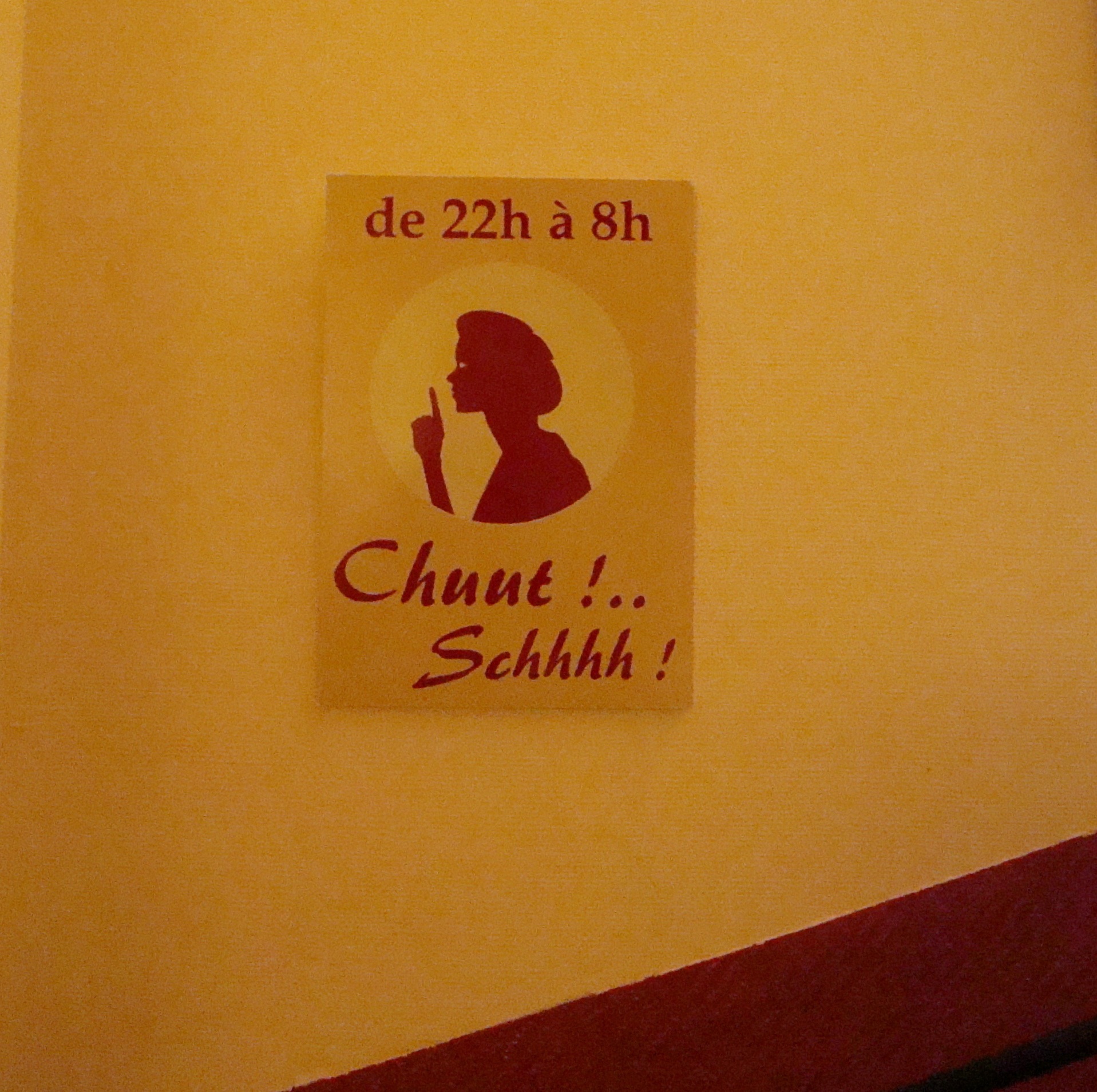
If you go to the south of France, you’ll notice that duck is very popular on the menu. I hadn’t had it yet, so for dinner, that was it. Like so many times when we sat down for dinner or drinks, there was a complete sense of unreality about it. The courtyard of the hotel was sheltered by a large tree which had a little plaque at its base to say that it was over 500 years old. You can’t help think that there’s nothing 500 years old in Toronto. Other trees included palms and flowering trees, with shrubs and flowers at the edges.
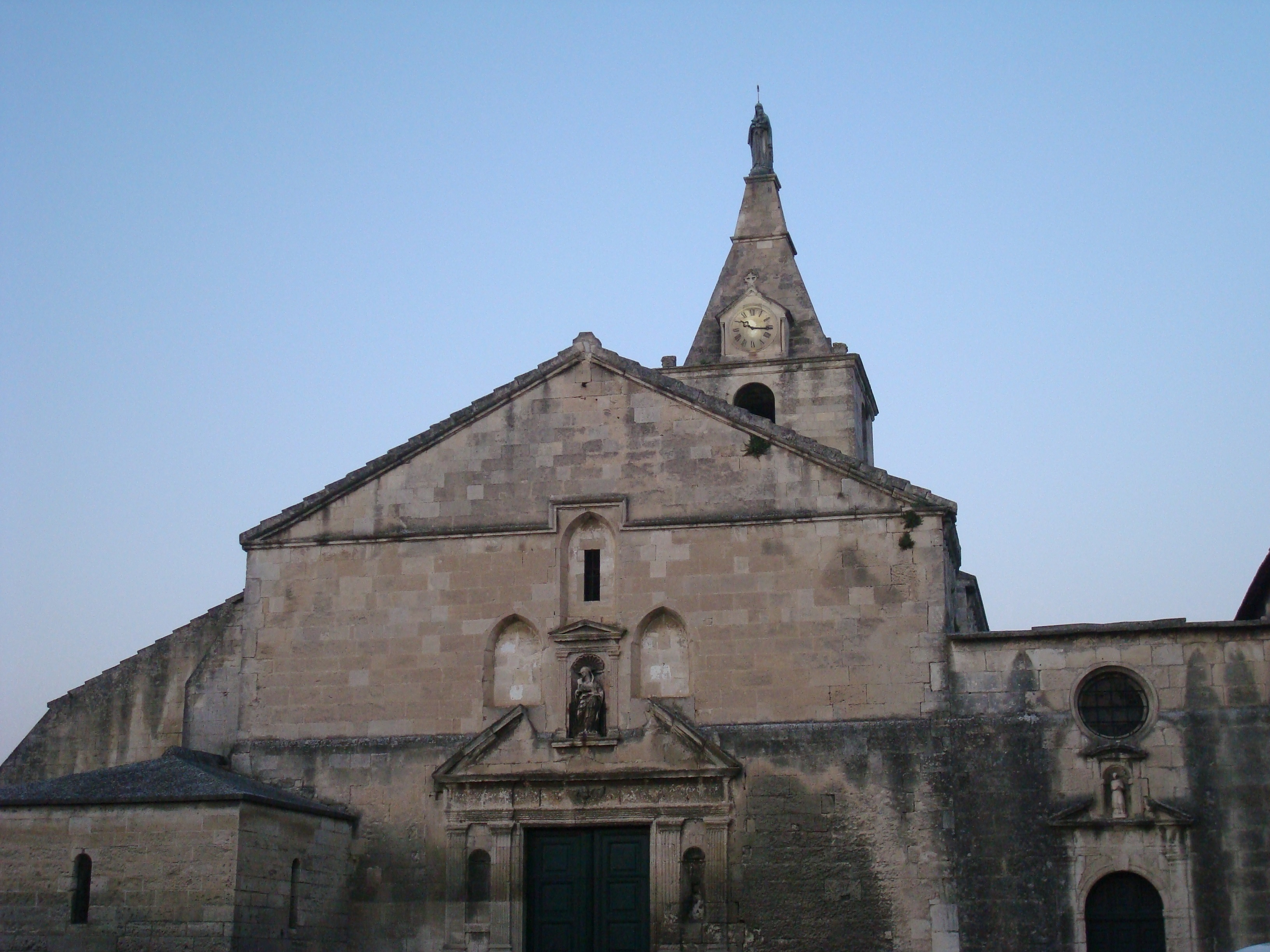
There was some foundation damage to the Notre Dame la Major when a bomb fell nearby during WWII. I'm sure the 13th century construction helped it withstand the shocks.
After dinner we headed out for another walk, this time through the streets and squares that were behind our hotel and the forum. We had seen a church tower and went to explore. Unfortunately, the church was closed for the day, but it way the Notre Dame la Major, built about 1152 on the site of a Roman temple. Apparently, the bell tower has been modified over the years and the statue of the Virgin Mary was placed on top in 1579 (a recent addition as far as Arles is concerned).
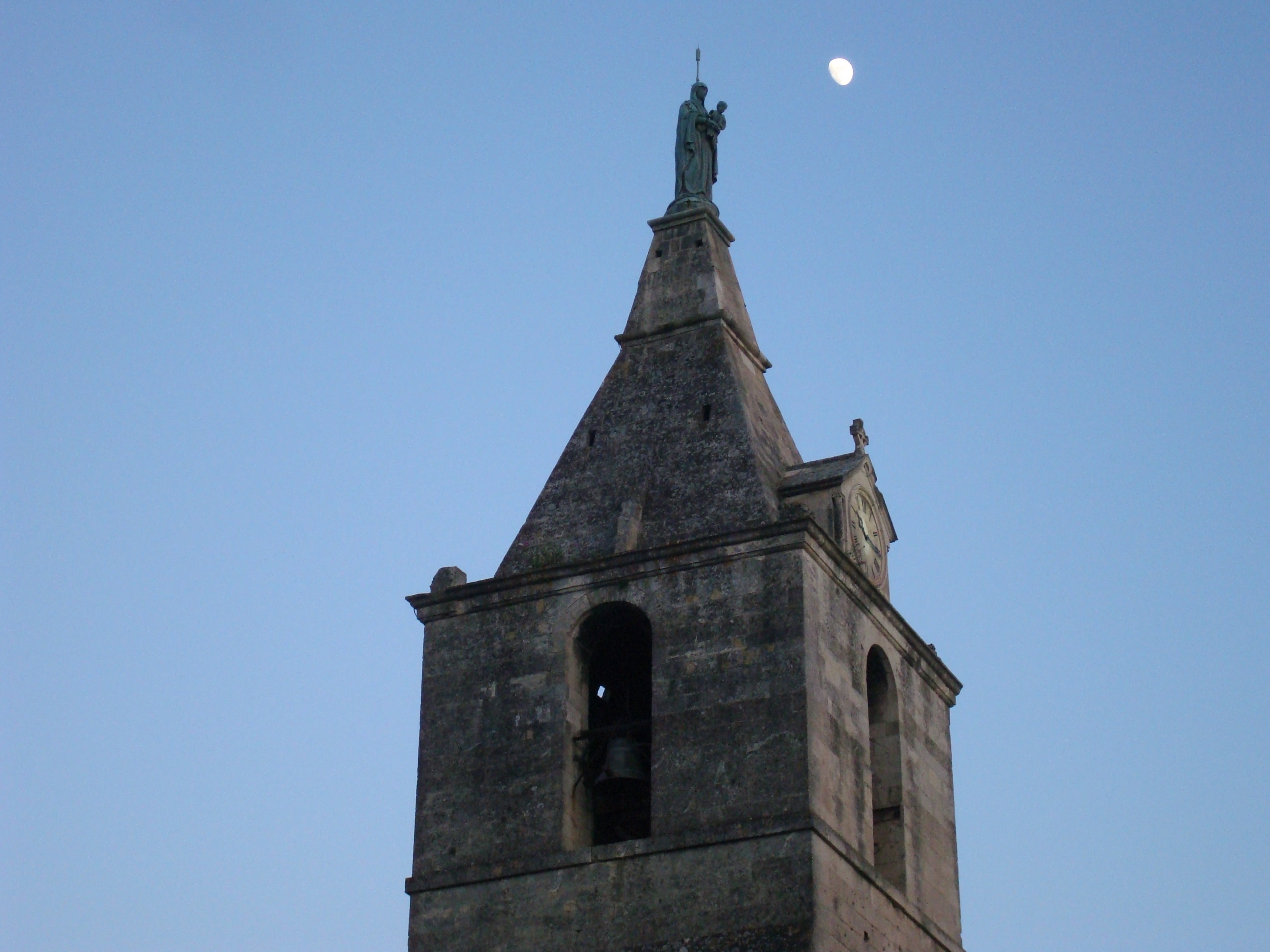
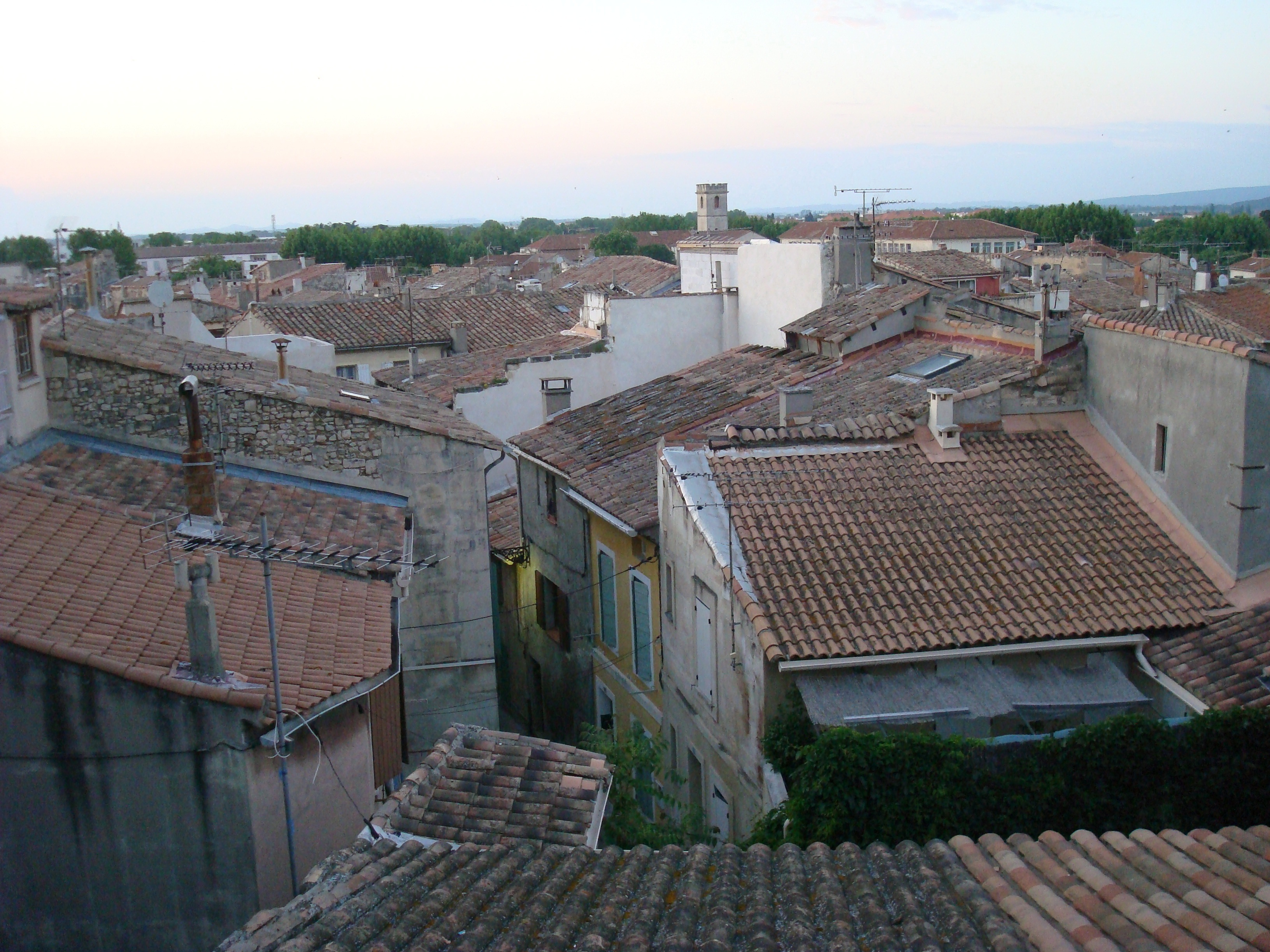
This is the highest point in Arles, and from the terrace you look out over the clay rooftops of the houses, the forum is on your left and the Alpilles mountains with Mt. Ventoux in the background. Mt. Ventoux will be familiar to anyone following the Tour de France bicycle race. It’s one of the killer King of the Mountains climbs.
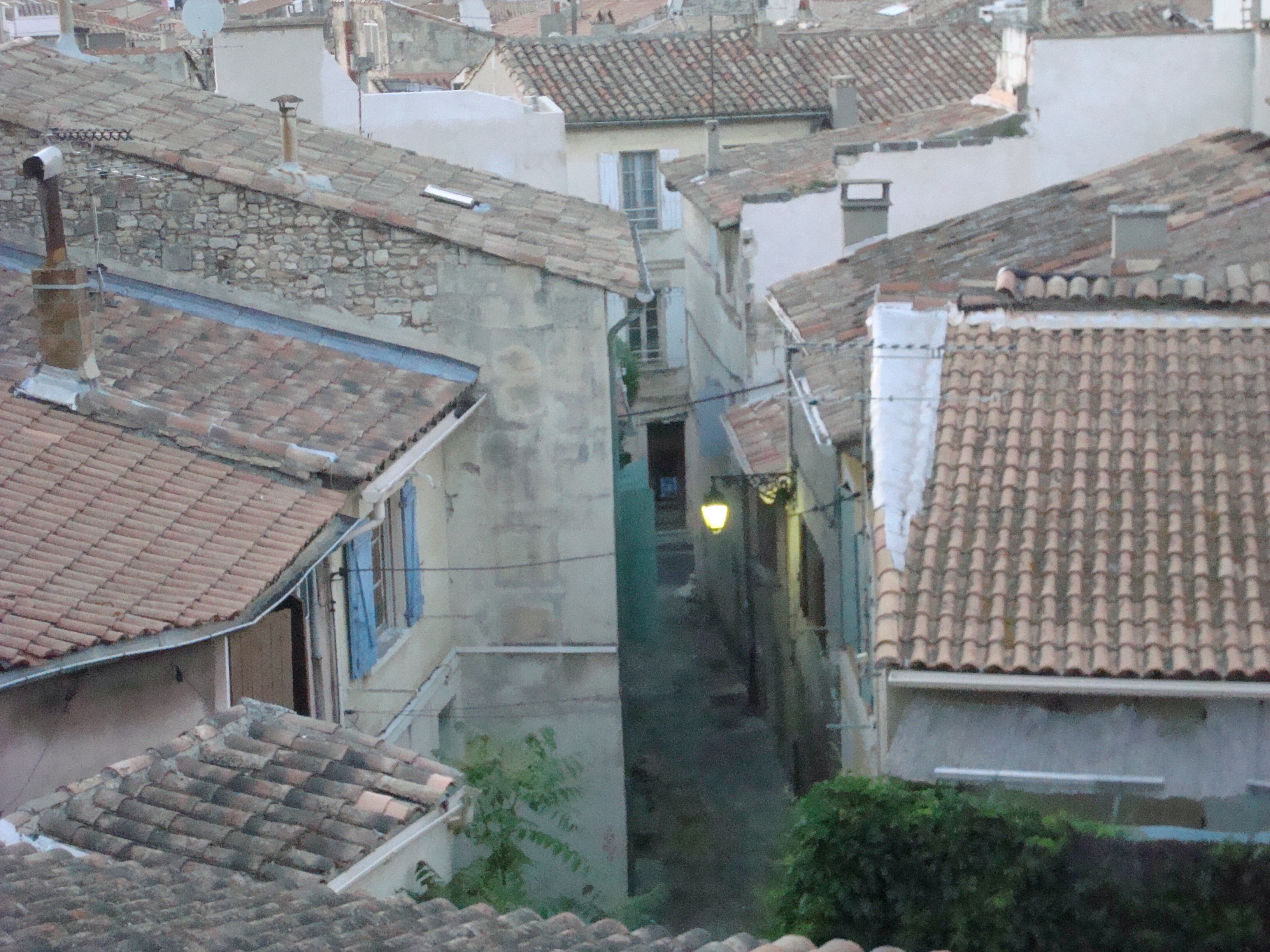
Not too much has changed here over the past few hundred years. Maybe electricity has replaced a gas lamp, but not much more.
We walked through the narrow streets near the church and came upon the walls of a convent that had originally been built in 508 but was then destroyed during the French revolution of 1789. It had since been rebuilt.
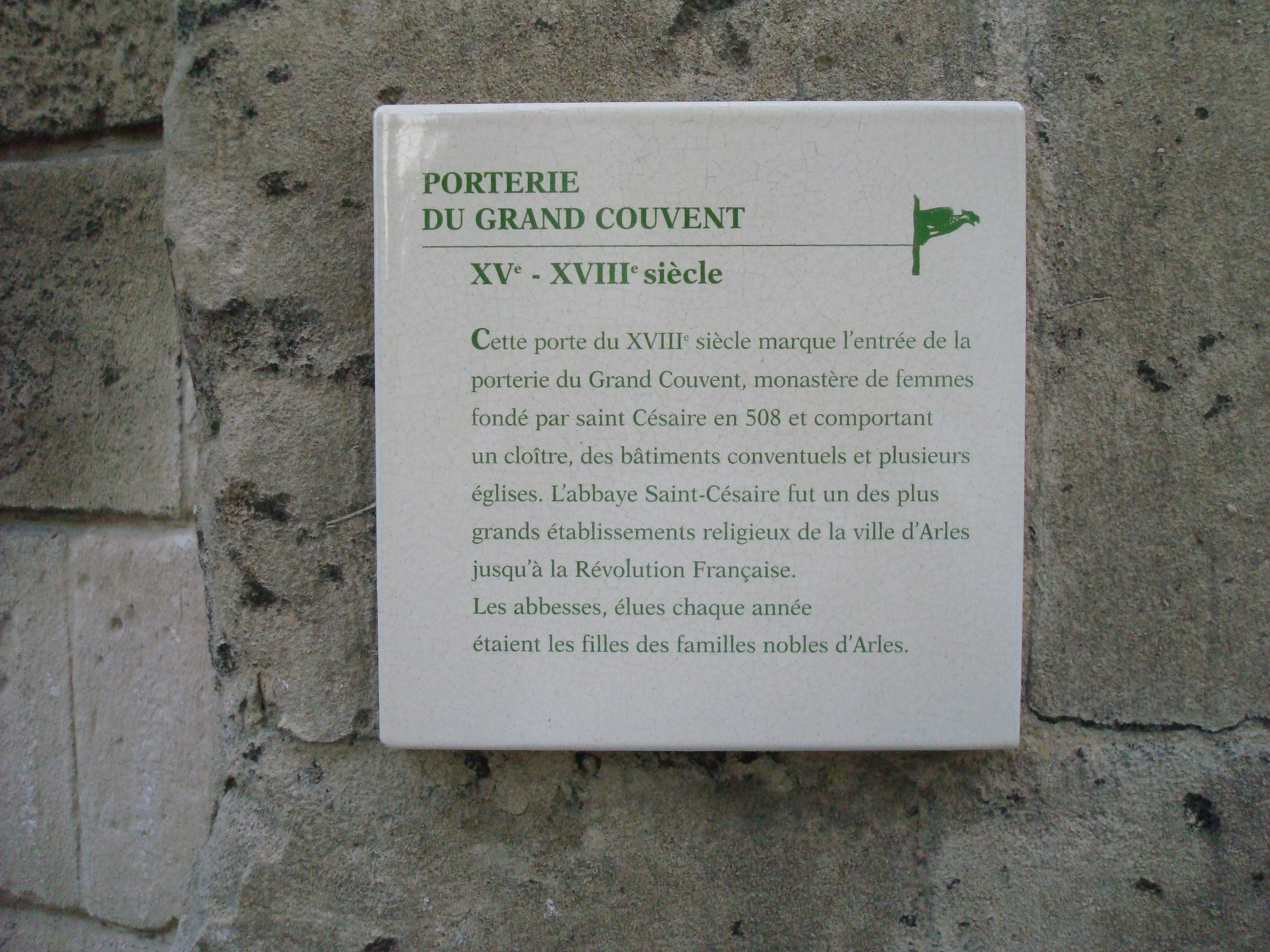
Arles was a centre for emerging Christianity, as the Roman influence and power diminished. But hundreds of years later, it couldn't escape the havoc of the French Revolution. Looking at it today, it's hard to tell how old it is.
Soon we came to a park, running just above the Blvd. des Lices, which we saw was apparently Van Gogh’s Public Garden. There was a plaque at the entranceway and looking at it, it seemed as if this was the place. The fences and gates weren’t quite the same, but who knows, that could have been changed over the last 120 years.
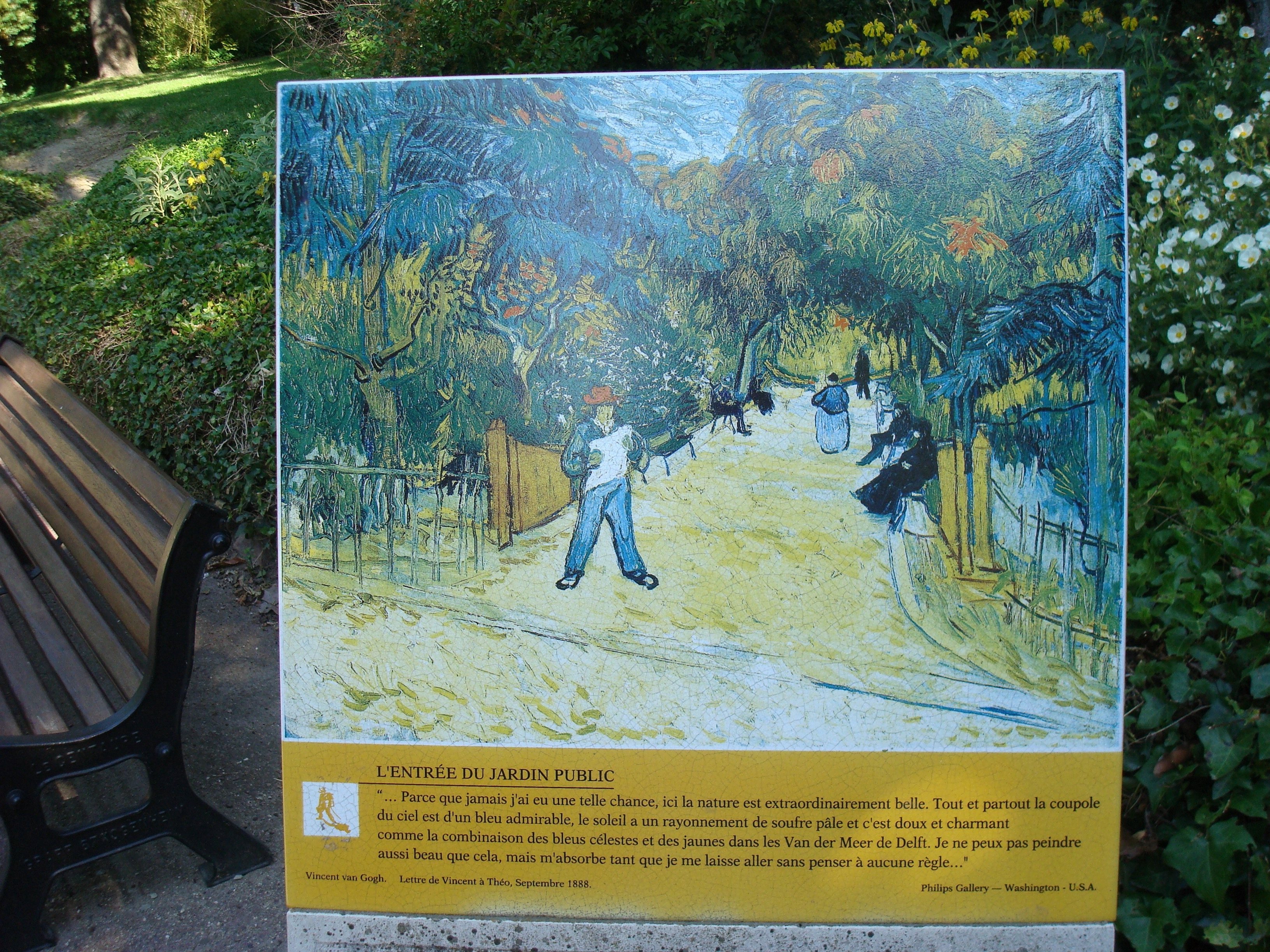
But checking later in books written by Van Gogh scholars, they place this painting as being one of a series of four paintings that Van Gogh sometimes referred to as the Public Garden or the Lover’s Garden. That garden, which doesn’t exist anymore, was situated near his Yellow House on Place Lamartine. Someone should tell the people of Arles and have the plaque moved.
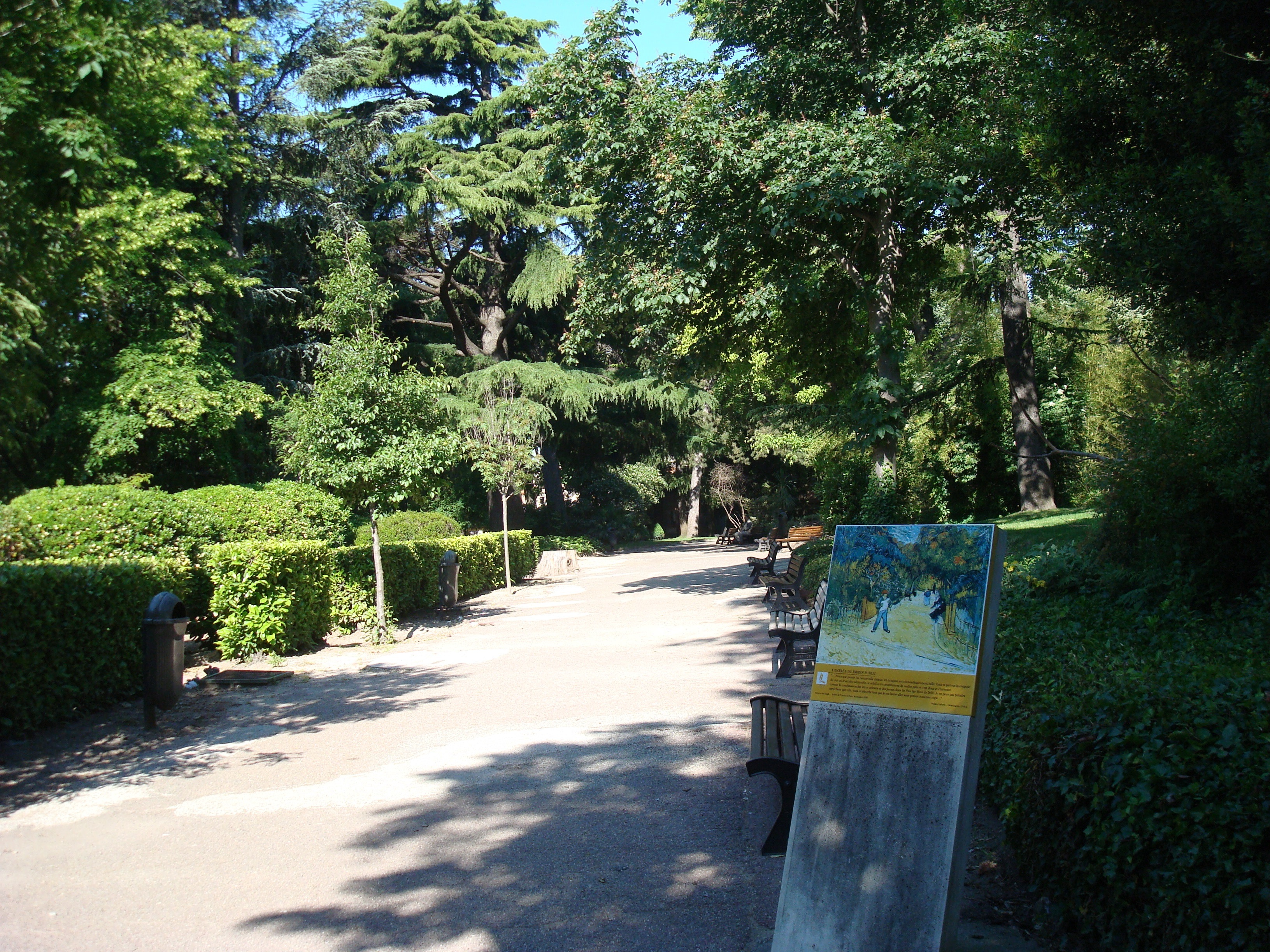
Anyway, we walked through the park and made our way around to a street that would take us back to our hotel.
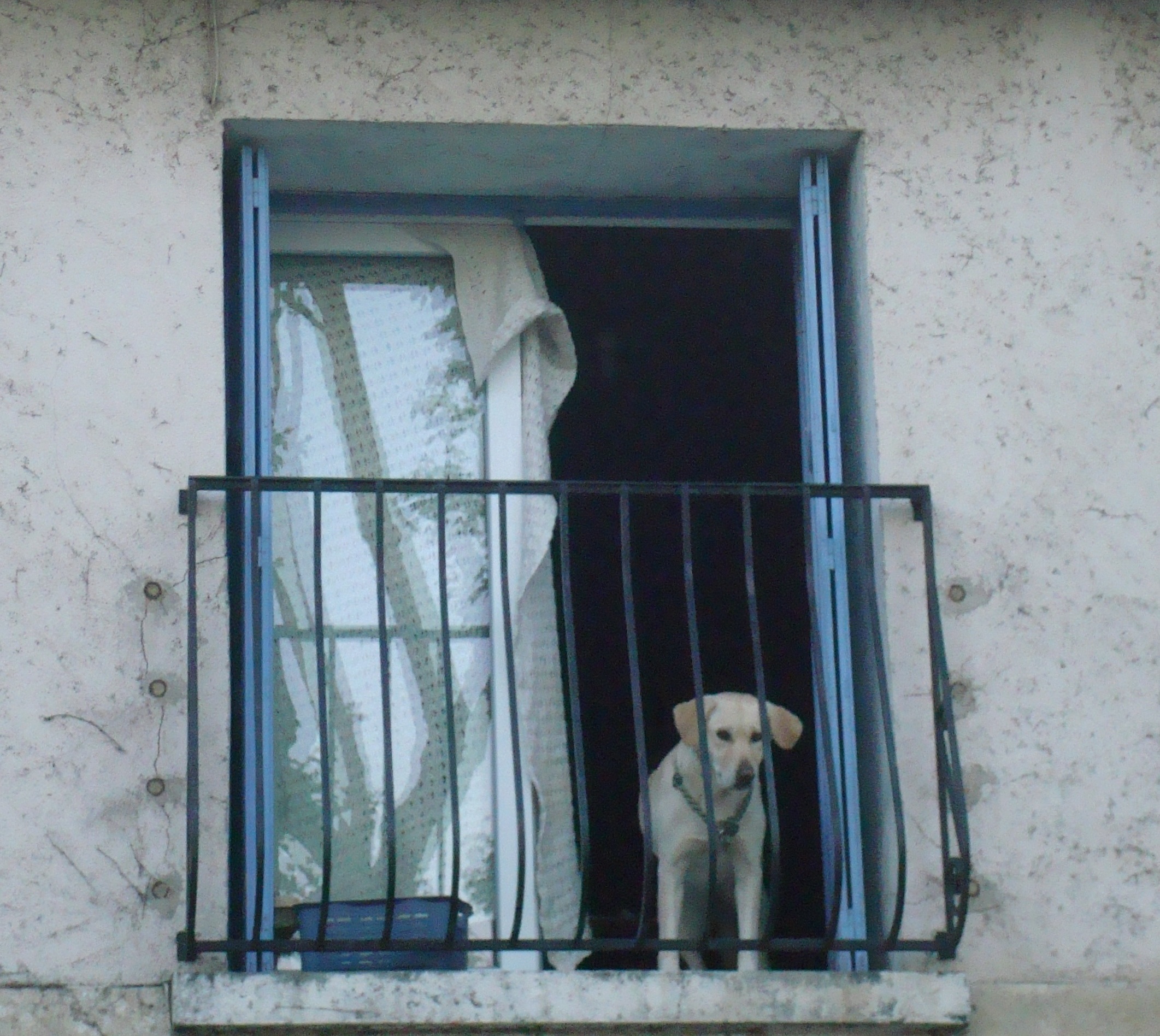
We were being watched. Don't you sometimes wonder what the inside of some houses look like? We thought about that walking the ancient streets of Arles.
It had been a long day. After all, we had started the morning in Paris.